
One of the most frustrating parts of hiring is doing everything right and still ending up with someone who doesn’t quite work out.
A candidate can have law firm experience, a strong résumé, great references and an impressive interview, then struggle once they’re actually in the role. Maybe they need more direction than you expected, don’t communicate well with the team or simply aren’t comfortable with the kind of client interaction the position requires.
That doesn’t necessarily mean you hired a bad employee. They may be perfectly capable, just not the right fit for this role, this team or this law firm.
That’s what makes hiring so difficult: you’re not simply looking for someone who can do the job. You’re trying to figure out whether they’ll thrive doing it.
There’s More to a Good Hire Than Experience
Experience matters, especially in a law firm.
You need to know whether someone has the skills and background required for the position, but hiring based on experience alone can leave a lot unanswered.
How does this person approach problems?
How do they communicate?
Do they prefer a fast-moving environment or predictability and structure?
Are they energized by talking with clients all day, or are they more comfortable focusing on detailed work that requires accuracy and concentration?
None of those qualities is inherently good or bad. What matters is how well they align with the job you’re actually hiring someone to do.
That’s where a DISC assessment can provide another piece of the picture.
What Can DISC Tell You About a Candidate?
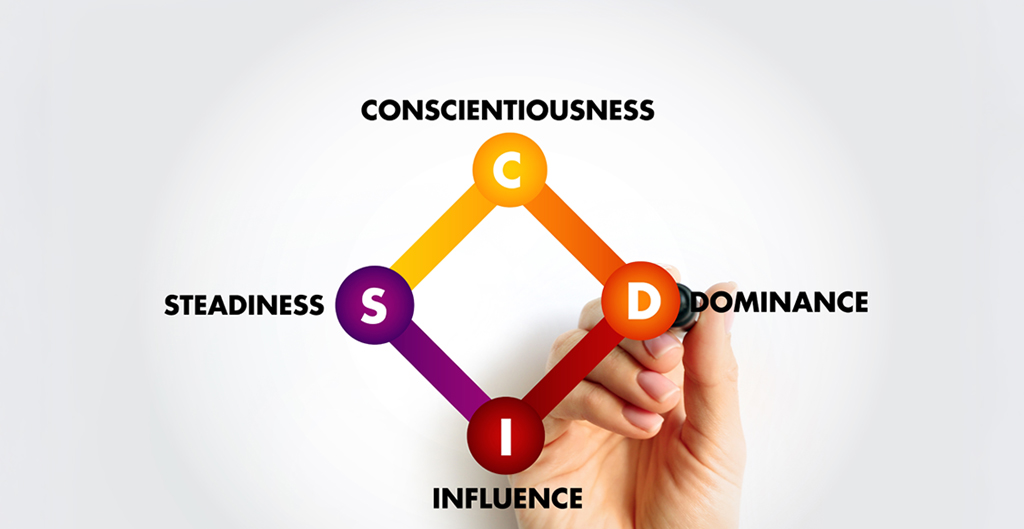
DISC looks at four primary behavioral styles: Dominance, Influence, Steadiness, and Conscientiousness. Each offers insight into how someone may naturally communicate, approach tasks and respond to their environment.
For example, someone who naturally enjoys relationship-building and frequent interaction may be comfortable in a highly client-facing position. Someone who gravitates toward structure, details and accuracy may be better suited to a role where precision is especially important.
The point isn’t to decide that one DISC style makes a “better” employee.
It’s to understand what the role requires and whether the candidate’s natural tendencies align with those expectations.
A candidate can have an impressive résumé and still spend every day working against their natural strengths.
That isn’t ideal for them, and it isn’t ideal for your firm.
DISC Shouldn’t Make the Hiring Decision for You
A DISC assessment isn’t a pass-or-fail test, and it shouldn’t replace interviews, experience, skills testing, reference checks or your own judgment.
Think of it as another source of information.
If you’re hiring a legal assistant who will spend much of the day communicating with anxious clients, managing competing priorities and keeping cases moving, what behavioral tendencies would help someone succeed in that environment?
If you’re hiring for a position that involves detailed document review and very little client interaction, you may be looking for something different.
The clearer you are about the role, the more useful DISC becomes.
It can also give you better questions to ask during the interview process. If something in a candidate’s profile seems different from what the position demands, you have an opportunity to explore it rather than finding out three months after they’re hired.
Taking Some of the Guesswork Out of Hiring
Hiring can feel like a gamble, especially for a small law firm.
One wrong hire affects more than payroll. It takes time to recruit, interview, onboard, and train someone. Your existing team often has to pick up the slack. And if the new employee doesn’t work out, you’re right back where you started.
That’s why Build My Great Team looks beyond the résumé.
We help law firms find and screen candidates using a hiring process built specifically around the needs of legal teams. Depending on your hiring needs, that can include structured interviews, skills testing, reference and background checks, and DISC assessments to give you a more complete picture of the person you’re considering.
You still make the hiring decision.
Our job is to help you make it with better information.
Because the goal isn’t simply to fill the empty seat as quickly as possible.
It’s to find someone who has the skills to do the job, fits the needs of the role and has a better chance of becoming the kind of team member you hoped you were hiring in the first place.
Ready to take some of the guesswork out of your next hire? Talk to Build My Great Team about your hiring needs.